
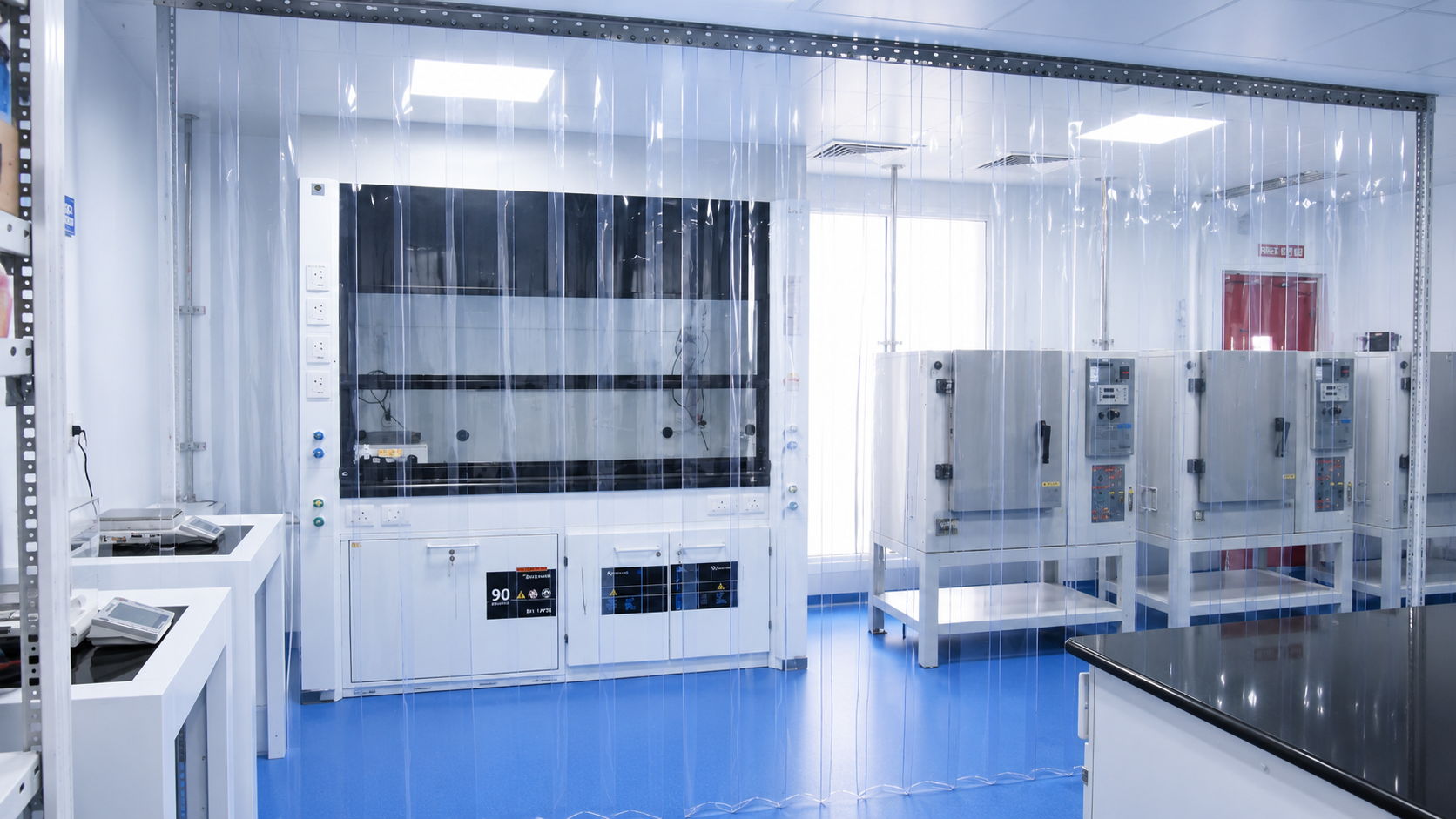
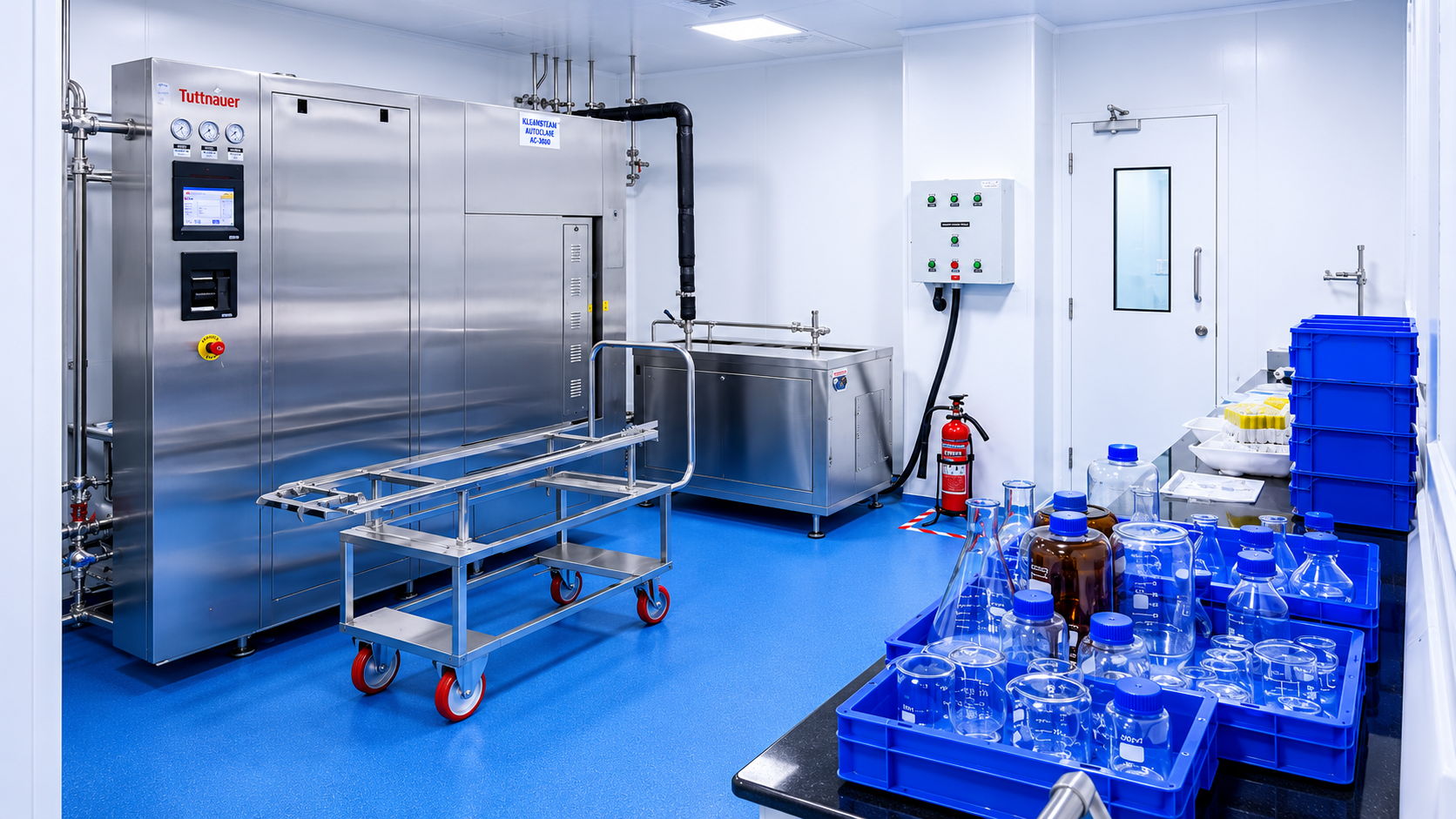
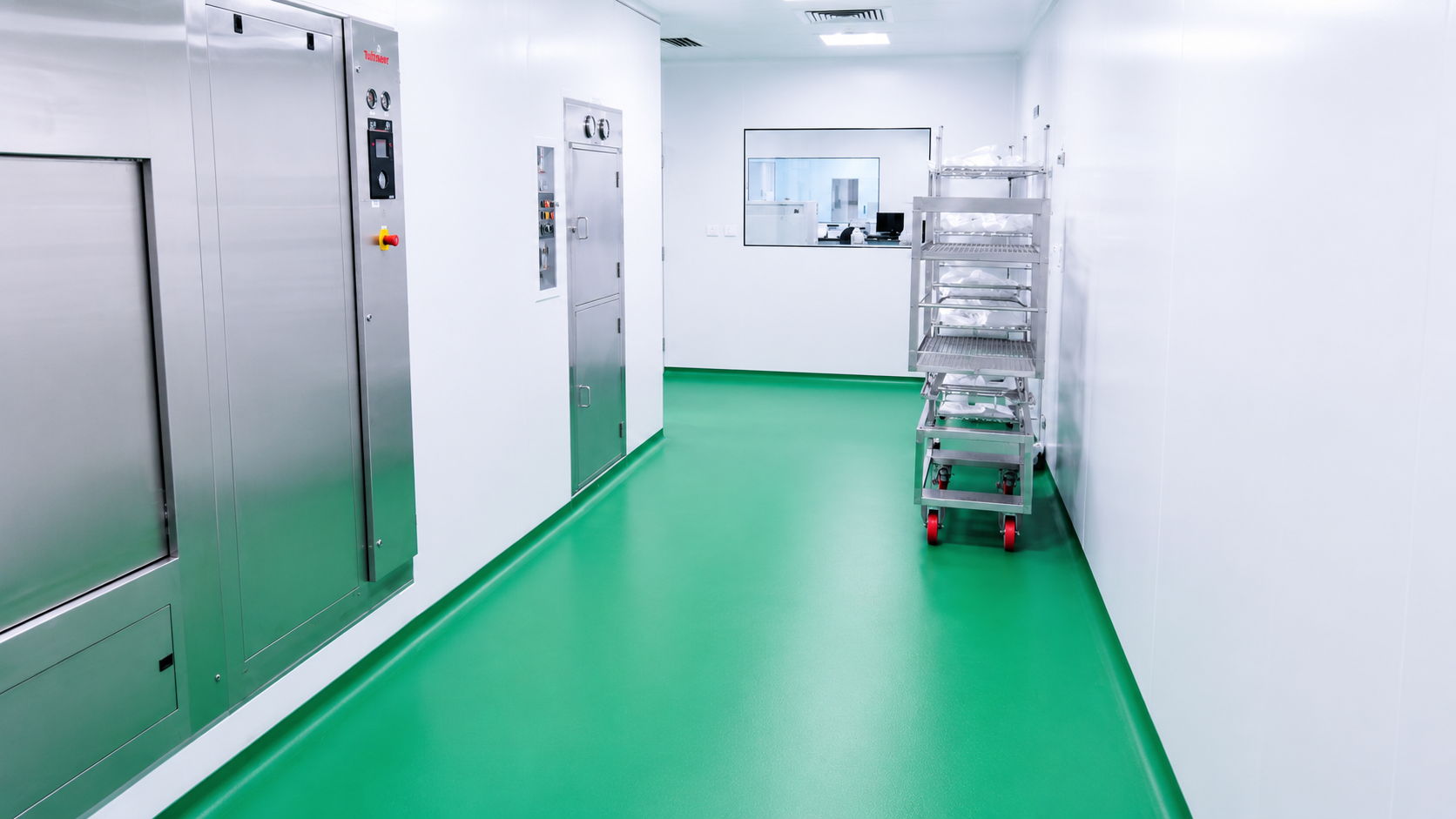
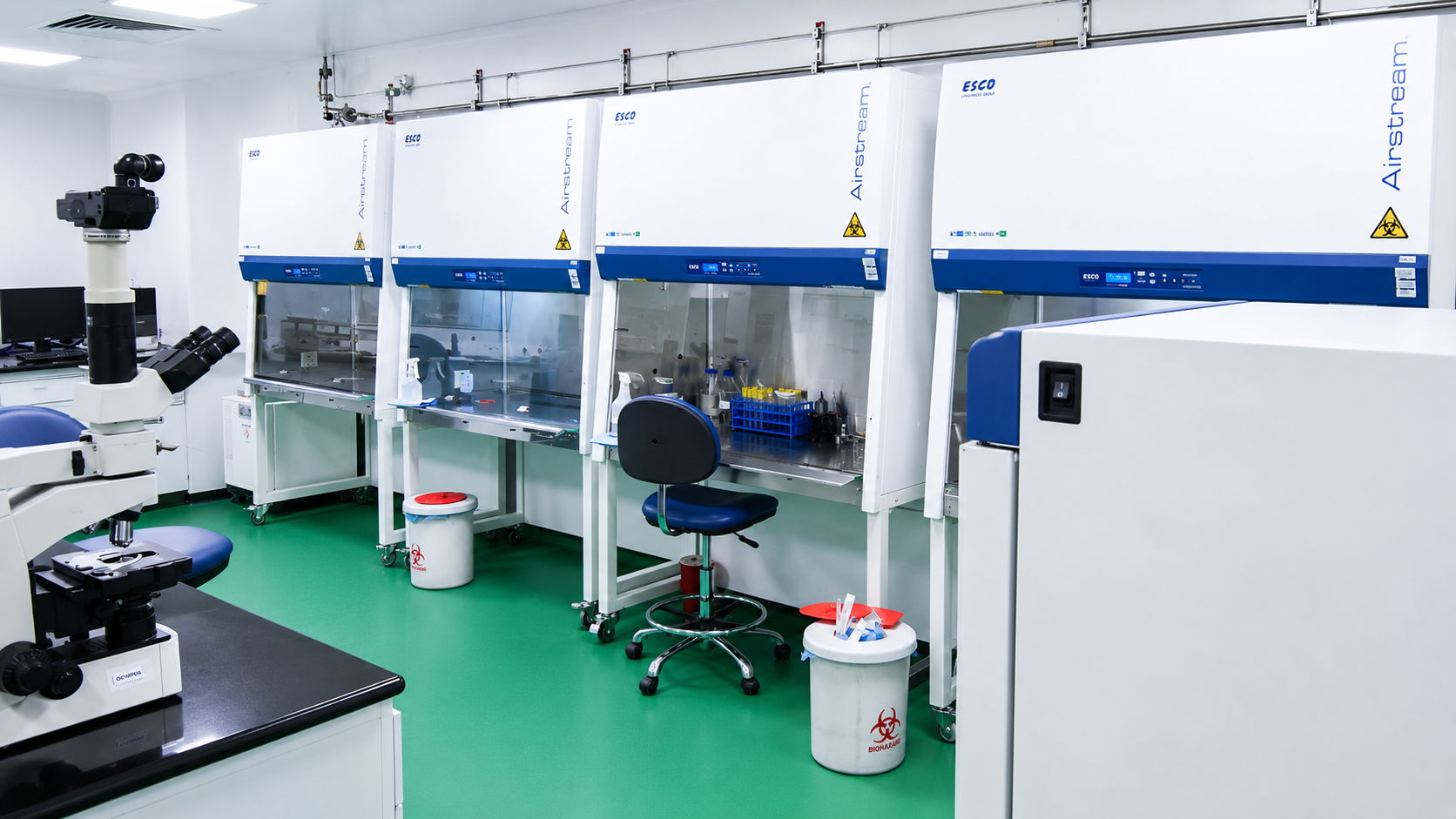
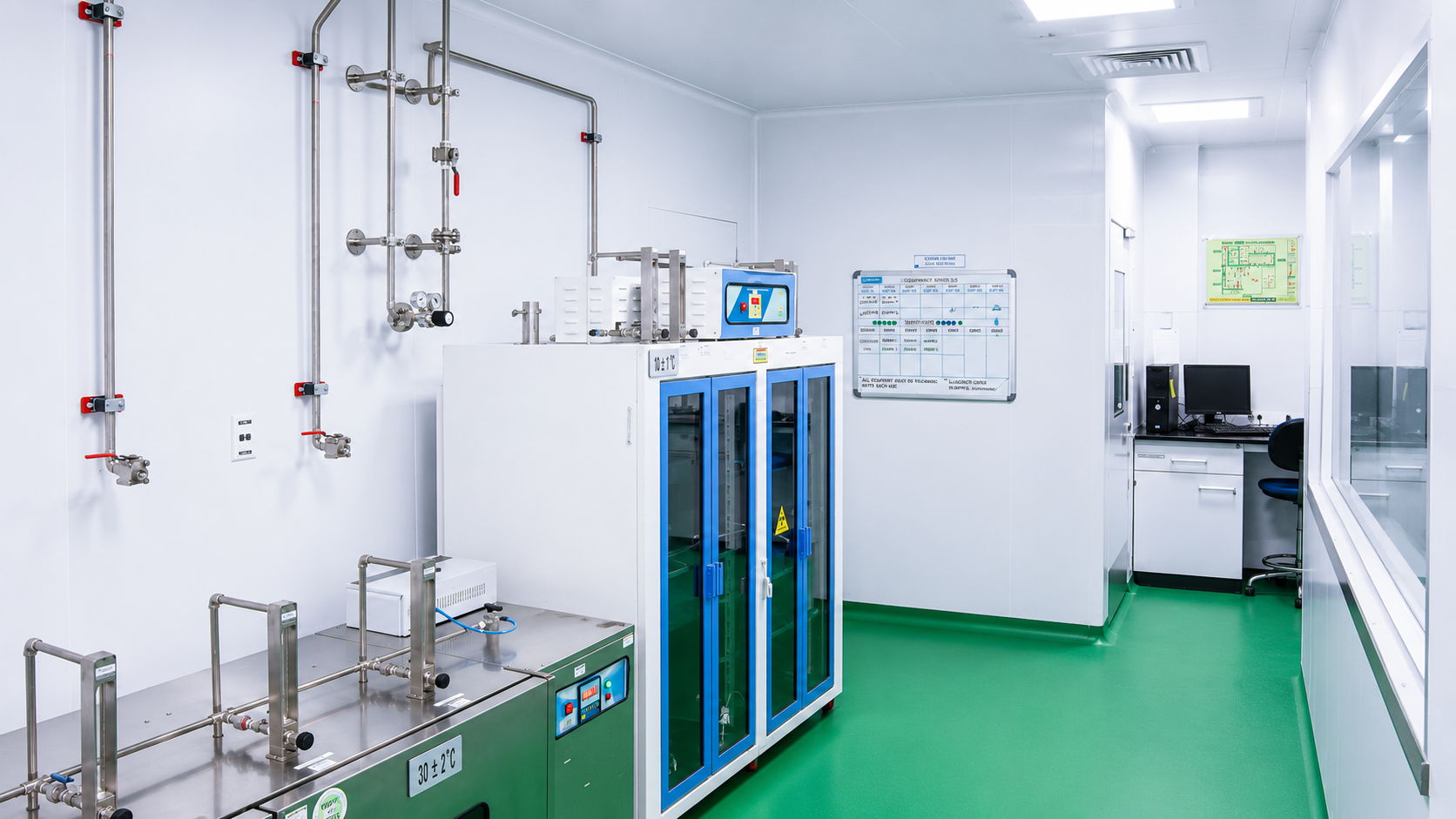
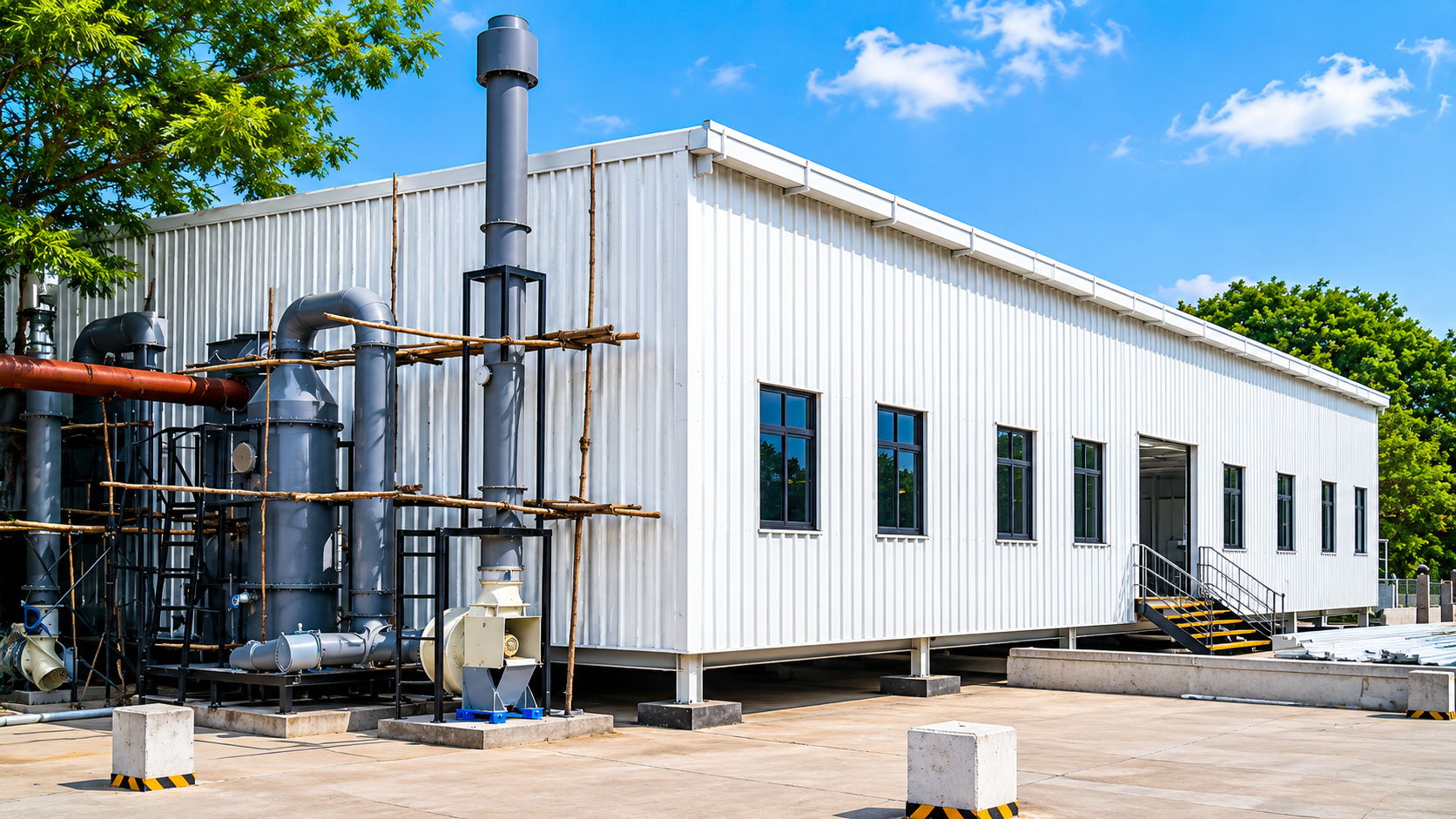
Project : Case Study-13 – M Lab Facility | Bangalore, India | 2016
Modern pharmaceutical laboratory environments are rarely built in isolation. Most often, they evolve within active operational ecosystems where business continuity becomes just as important as engineering execution.
The M Lab project for Case Study-13 at TVS Cross, Peenya, Bangalore, delivered in 2016, was one such highly coordinated brownfield laboratory transformation project.
Developed within an operational facility environment, the project demanded careful planning, phased execution, and disciplined coordination to ensure that ongoing operations remained uninterrupted while the laboratory infrastructure was progressively modernized.
The project was executed in two phases.
The initial phase involved cordoning off a portion of the existing laboratory space and constructing a completely new laboratory environment within the isolated zone. Once the users transitioned into the newly completed area, the second phase of redevelopment began on the remaining side of the facility.
This phased transition strategy became one of the defining aspects of the project, requiring constant coordination between users, engineering teams, contractors, utilities, and execution schedules.
In addition to the laboratory redevelopment, the project also involved the construction of a mechanical services room above the laboratory facility, integrating engineering infrastructure with the operational ecosystem below.
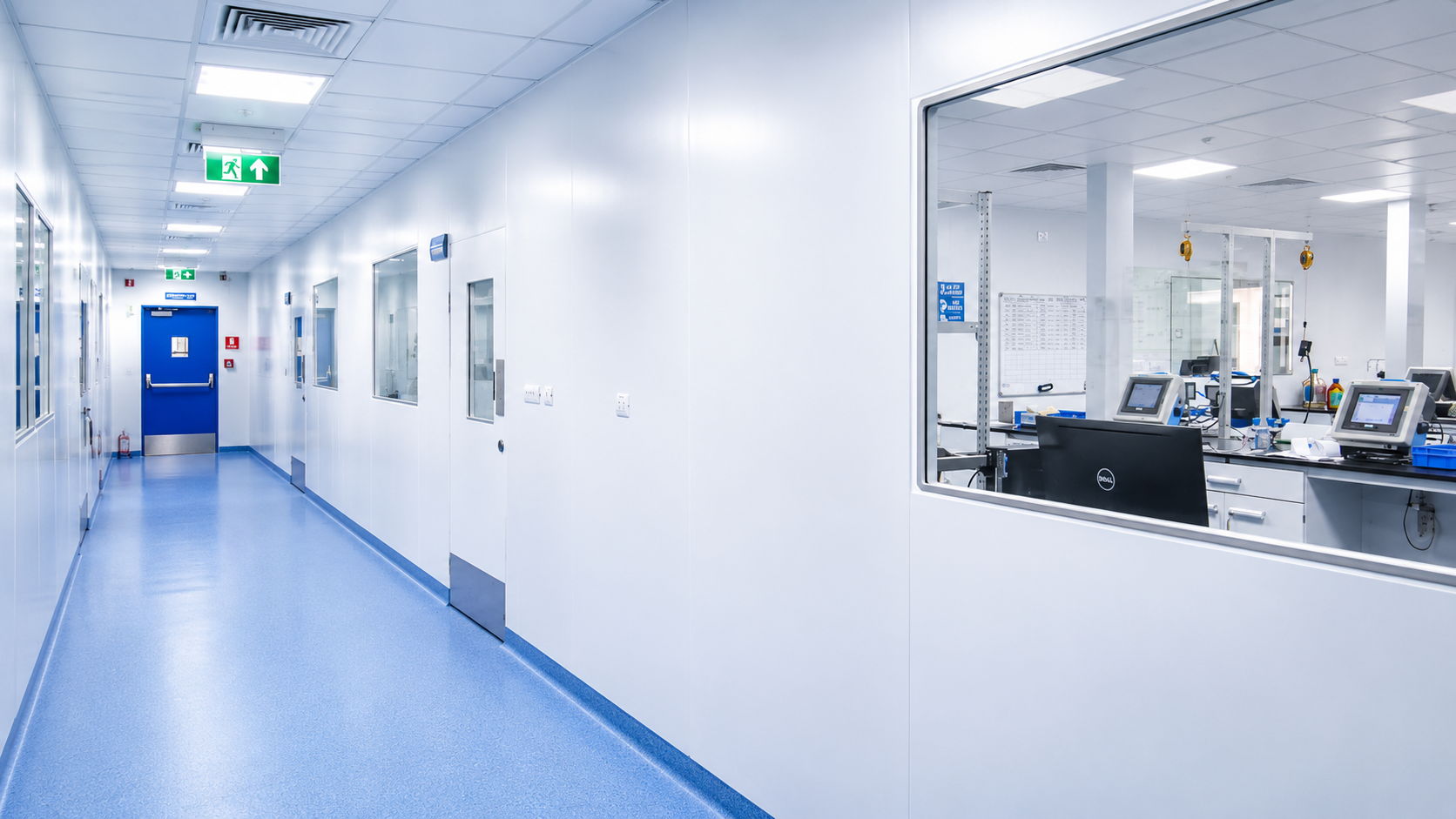
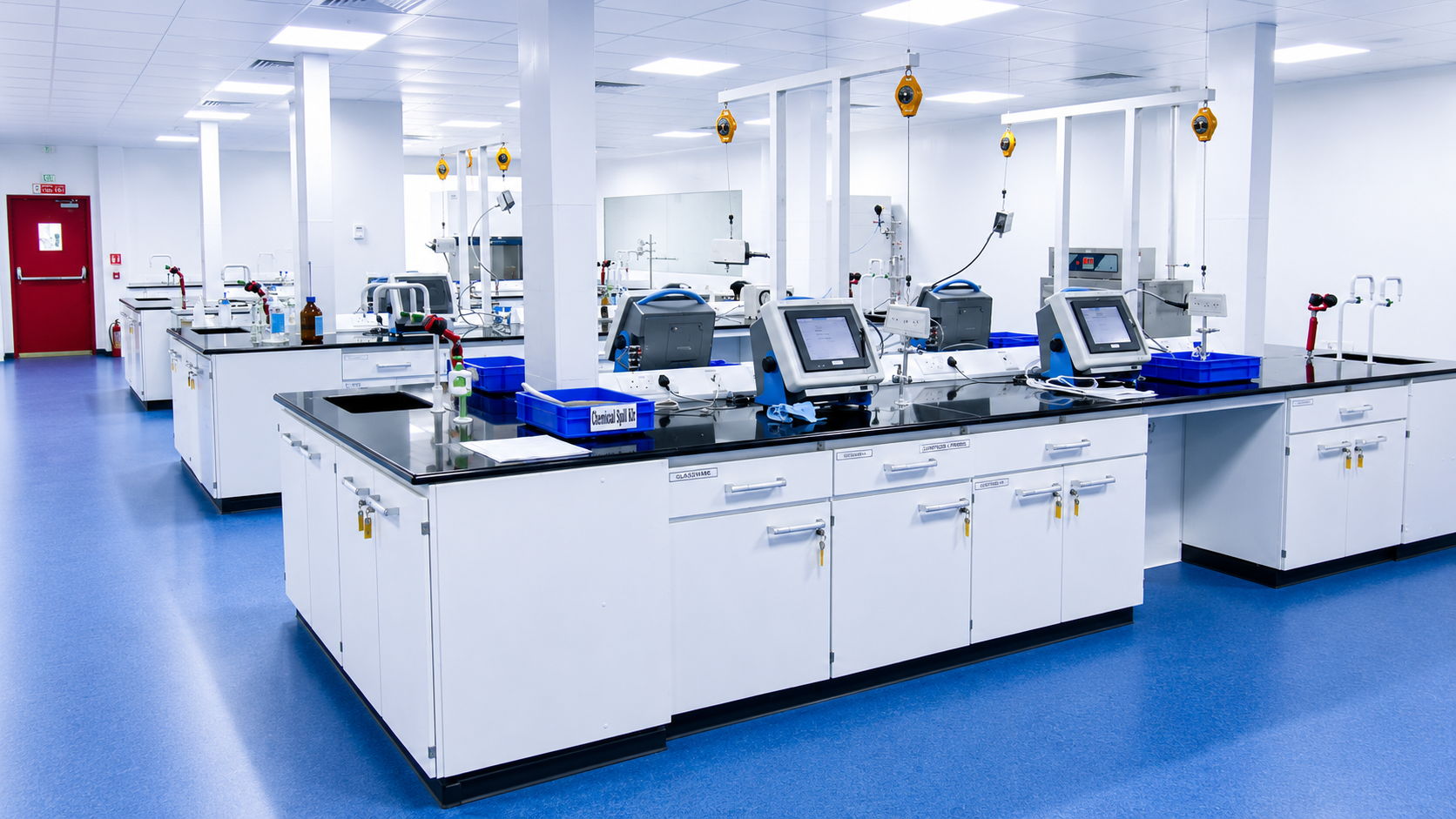
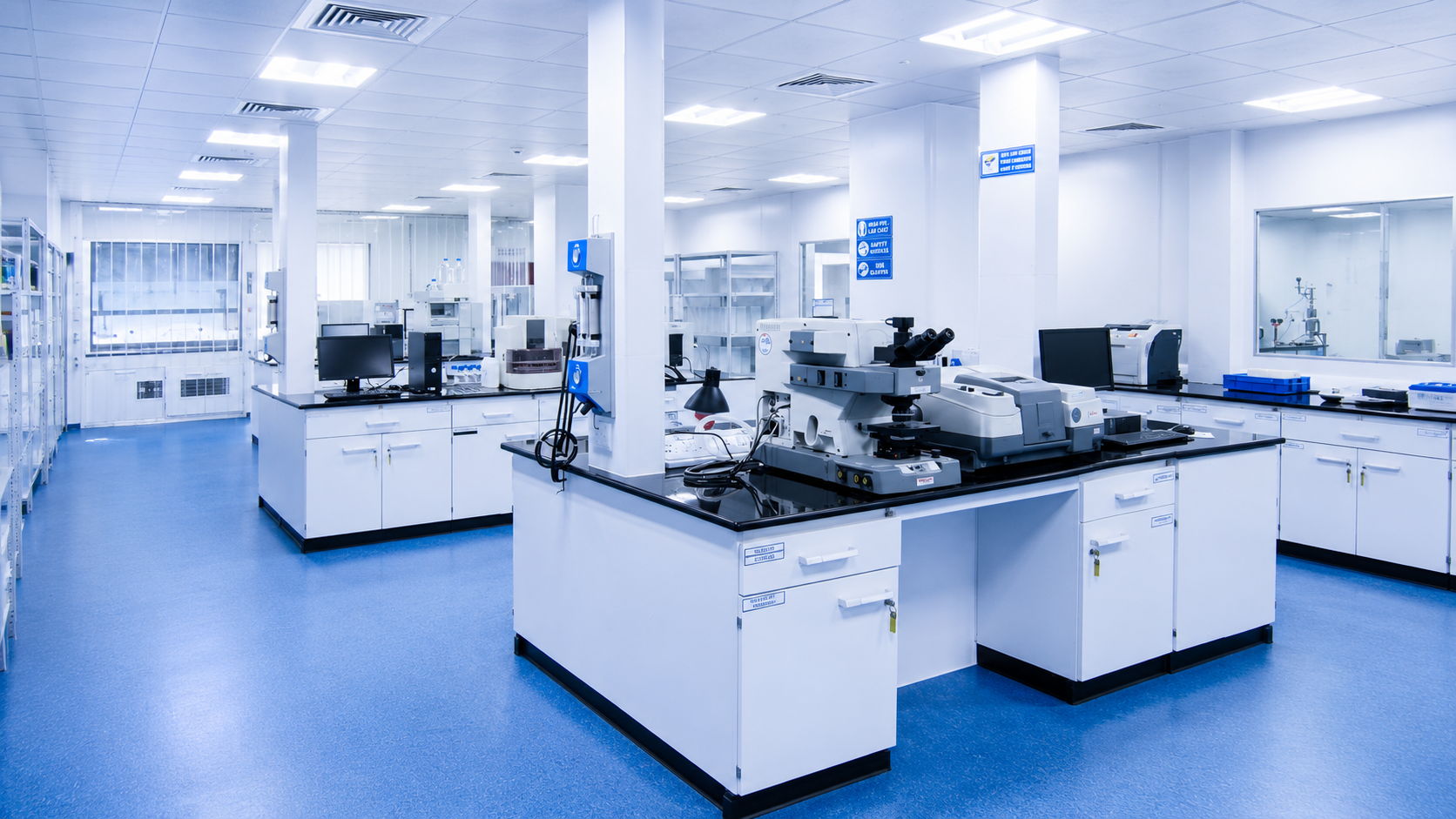
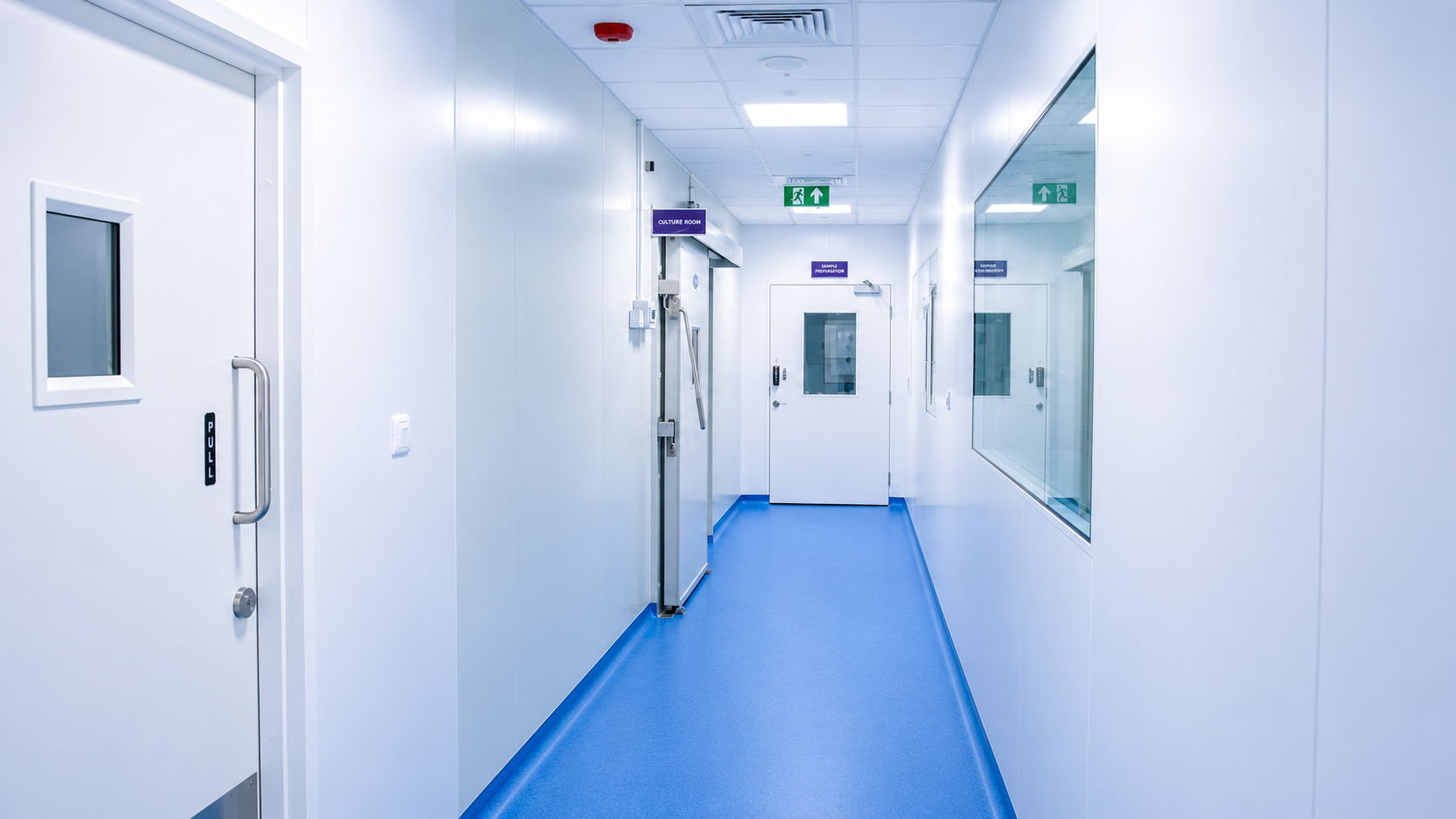
The final outcome became a clean, technically sophisticated, and highly organized pharmaceutical laboratory environment engineered under challenging operational conditions.
Details
Client: Case Study-13
Project Type: Pharmaceutical Lab Infra – Brownfield Expansion & Revamp
Project Year: 2016
Location: TVS Cross, Peenya, Bangalore
Facility Name: M Lab
Project Delivery: Executed in Two Phases
Key Highlights
- Brownfield pharmaceutical laboratory redevelopment
- Executed in two carefully coordinated phases
- Operational laboratory transition planning
- Mechanical services room integration above laboratory infrastructure
- Integrated laboratory, utility, and support infrastructure development
- Continuous operational coordination during execution
- Clean laboratory planning with future flexibility
- Successful delivery within complex operational conditions
Densol Perspective
Projects like M Lab highlight one of the most demanding aspects of laboratory engineering — transforming operational facilities while keeping them functional throughout the execution journey.
The project reflected Densol’s capability in integrating phased execution planning, engineering coordination, utility management, and operational continuity into one unified project delivery approach.
The project reinforced the importance of combining industrial practicality with organized laboratory engineering to create environments capable of supporting continuous innovation and analytical excellence.
The result was not simply a renovated laboratory.
It became a carefully engineered operational transformation executed with precision, coordination, and minimal disruption to the client’s ongoing activities.
Scope of Work
The planning philosophy centered around operational continuity, phased execution efficiency, and integrated laboratory engineering.
The layout incorporated multiple functional spaces including:
- Analytical laboratory zones
- nstrumentation and operational workspaces
- Utility coordination areas
- Storage and dry storage rooms
- Meeting and collaborative spaces
- Support and service infrastructure
- Mechanical utility integration areas
- Dedicated engineering support spaces
A major focus of the design approach was ensuring smooth operational movement while construction activities continued in parallel within the facility.
Special attention was given to:
- HVAC and utility integration
- Service accessibility and maintainability
- Segregation between operational and construction zones
- Laboratory circulation planning
- Future adaptability of laboratory infrastructure
- Engineering coordination between phases
The mechanical room constructed above the facility required additional coordination between structural interfaces, utility routing, and live laboratory operations below.
Densol executed the project as a complete laboratory infrastructure solution including:
- Brownfield laboratory redevelopment
- Phased execution and user transition planning
- Laboratory infrastructure and interiors
- Laboratory furniture systems
- HVAC and utility coordination
- Storage and support area development
- Mechanical room construction above laboratory spaces
- Utility integration and engineering coordination
- Site execution and phased implementation management
- Testing and commissioning support
The project required continuous coordination between operational teams, engineering consultants, contractors, and client stakeholders throughout both execution phases.
The complexity of the project was driven primarily by the need to execute construction activities within an active operational environment.
Key challenges included:
- Execution within a live pharmaceutical facility
- Phased relocation of laboratory users
- Cordoning and segregation of active construction zones
- Utility integration without disturbing ongoing operations
- Mechanical room construction above operational laboratory spaces
- Safety coordination during phased redevelopment
- Maintaining project timelines under operational constraints
The successful delivery depended heavily on disciplined execution planning, proactive coordination, and continuous engineering management.
The completed M Lab facility emerged as a highly organized and technically refined pharmaceutical laboratory environment capable of supporting efficient operations and future expansion requirements.
The phased redevelopment strategy successfully minimized operational disruption while enabling modernization of the laboratory infrastructure within a live facility environment.
More importantly, the project demonstrated how careful engineering coordination and execution discipline can transform existing laboratory ecosystems without interrupting ongoing scientific and operational activities.