
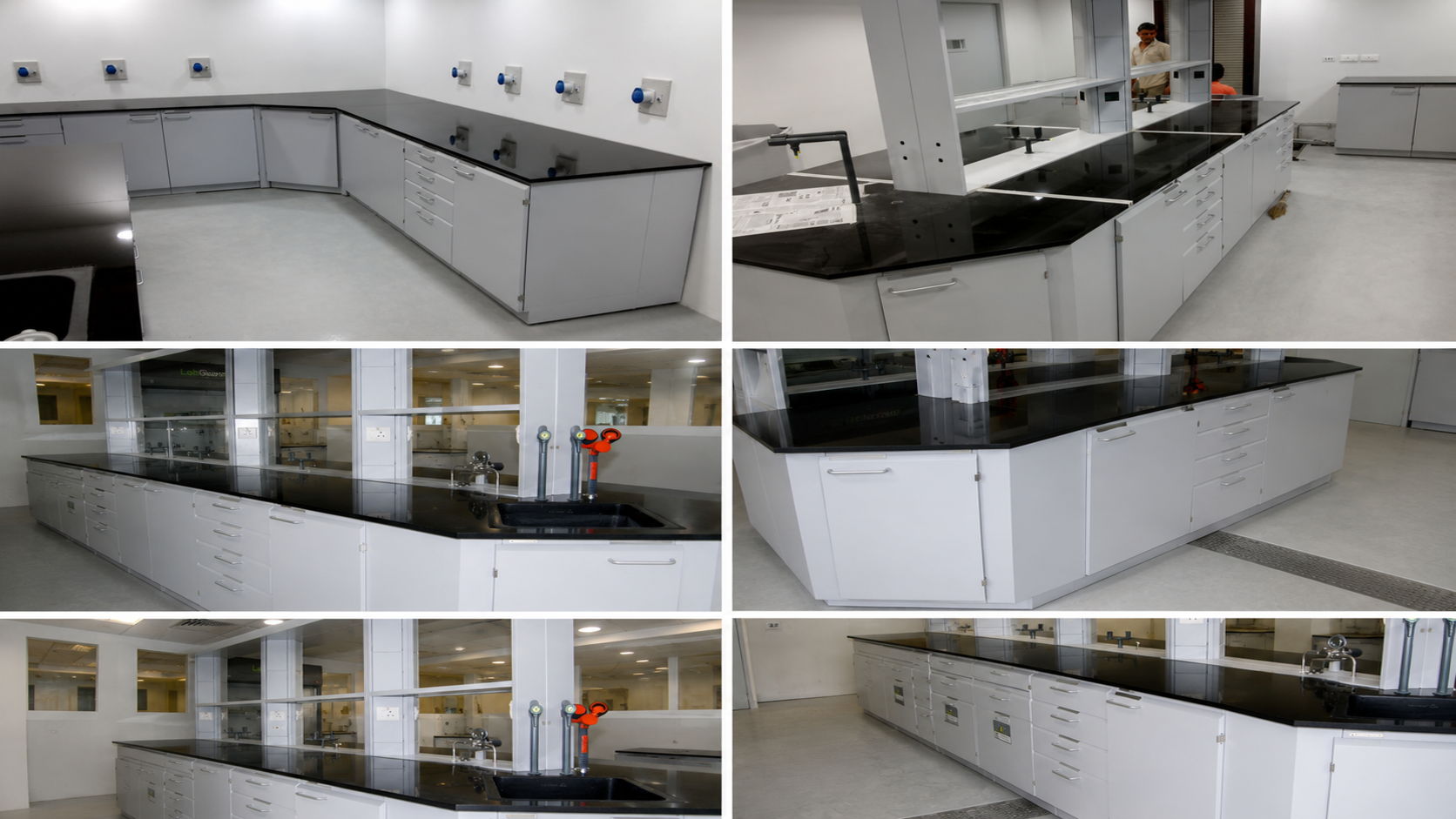
Project : Case Study-10 – Lubricants Testing Laboratory | Maharashtra, India | 2008
Laboratories within the energy and oil & gas industry are engineered around reliability, durability, and precision. Unlike conventional analytical spaces, these environments are expected to support demanding industrial operations while maintaining highly controlled testing standards.
The Lubricants Testing Laboratory project for Case Study-10 in Pune, delivered in 2008, became one of Densol’s early milestone projects within the industrial laboratory and energy sector.
The facility was developed to support lubricant testing and analytical evaluation associated with industrial equipment, mobile plant systems, and oil & gas operational applications. From the beginning, the objective was to create a technically organized laboratory environment capable of handling demanding testing workflows while maintaining operational efficiency and long-term reliability.
At that time, modular laboratory infrastructure systems were still emerging within industrial testing environments in India. This project therefore became an important step toward introducing globally aligned laboratory engineering practices into the industrial and energy segment.
More importantly, the successful execution of the laboratory laid the foundation for a strong long-term relationship with Case Study-10, with Annual Maintenance Contracts and continued support services still ongoing over the years.
Details
Client: Case Study-10
Project Type: Lubricants Testing Laboratory
Project Year: 2008
Location: Pashamylaram, Hyderabad
Industry: Energy, Oil & Gas
Key Highlights
- Early milestone project within the energy and oil & gas sector
- Dedicated lubricants testing laboratory infrastructure
- Kottermann Systemlabor modular laboratory systems integration
- Industrial-grade laboratory planning and execution
- Integrated exhaust and utility coordination
- Long-term relationship with Case Study-10 through continued AMC support
- Strong foundation project within industrial laboratory infrastructure
Densol Perspective
Some projects become turning points because they introduce new technologies.
Others become important because they open entirely new industries and long-term partnerships. The Case Study-10 Lubricants Testing Laboratory project became one of Densol’s early and important entries into industrial laboratory infrastructure within the energy and oil & gas sector.
The project reinforced the importance of combining industrial practicality with laboratory engineering precision, especially in environments where operational reliability is critical to performance.
The result was not simply a testing laboratory.
It became the beginning of a long-standing professional relationship built around engineering quality, operational reliability, and sustained technical support.
Scope of Work
The planning philosophy focused heavily on practicality, operational robustness, and maintainable laboratory infrastructure.
The laboratory was designed around:
- Lubricant testing workflows
- Organized analytical workspaces
- Durable modular laboratory systems
- Utility accessibility and serviceability
- Safe laboratory operations
- Integrated exhaust coordination
- Efficient operator movement and workflow planning
Since lubricant testing environments involve continuous operational usage and industrial-grade analytical activities, the infrastructure had to support both technical precision and long operational life simultaneously
Particular attention was given to creating a laboratory layout that remained highly functional, service-friendly, and operationally efficient under industrial working conditions.
The project incorporated:
- Kottermann Systemlabor laboratory furniture systems
- Modular laboratory workstations
- Laboratory testing benches
- Integrated utility services
- Exhaust system coordination
- Industrial-grade laboratory infrastructure planning
The use of Kottermann systems brought modular flexibility, organized workspace planning, and globally aligned laboratory standards into the project, helping create a clean and technically refined testing environment.
Densol’s scope included:
- Laboratory infrastructure planning
- Supply and installation of Kottermann laboratory systems
- Laboratory furniture integration
- Utility coordination and allied services
- Exhaust system execution
- Site installation and implementation management
- Testing and commissioning support
The project required close coordination between laboratory operations, industrial utility systems, and execution teams throughout the installation process.
Industrial testing laboratories demand a very different engineering approach compared to standard research environments.
The project involved challenges including:
- Integration of industrial testing workflows
- Coordination between utilities and testing systems
- Durable infrastructure planning for continuous operations
- Exhaust and service integration
- Precision installation of modular systems within industrial environments
The successful execution depended heavily on practical engineering coordination and disciplined installation management.
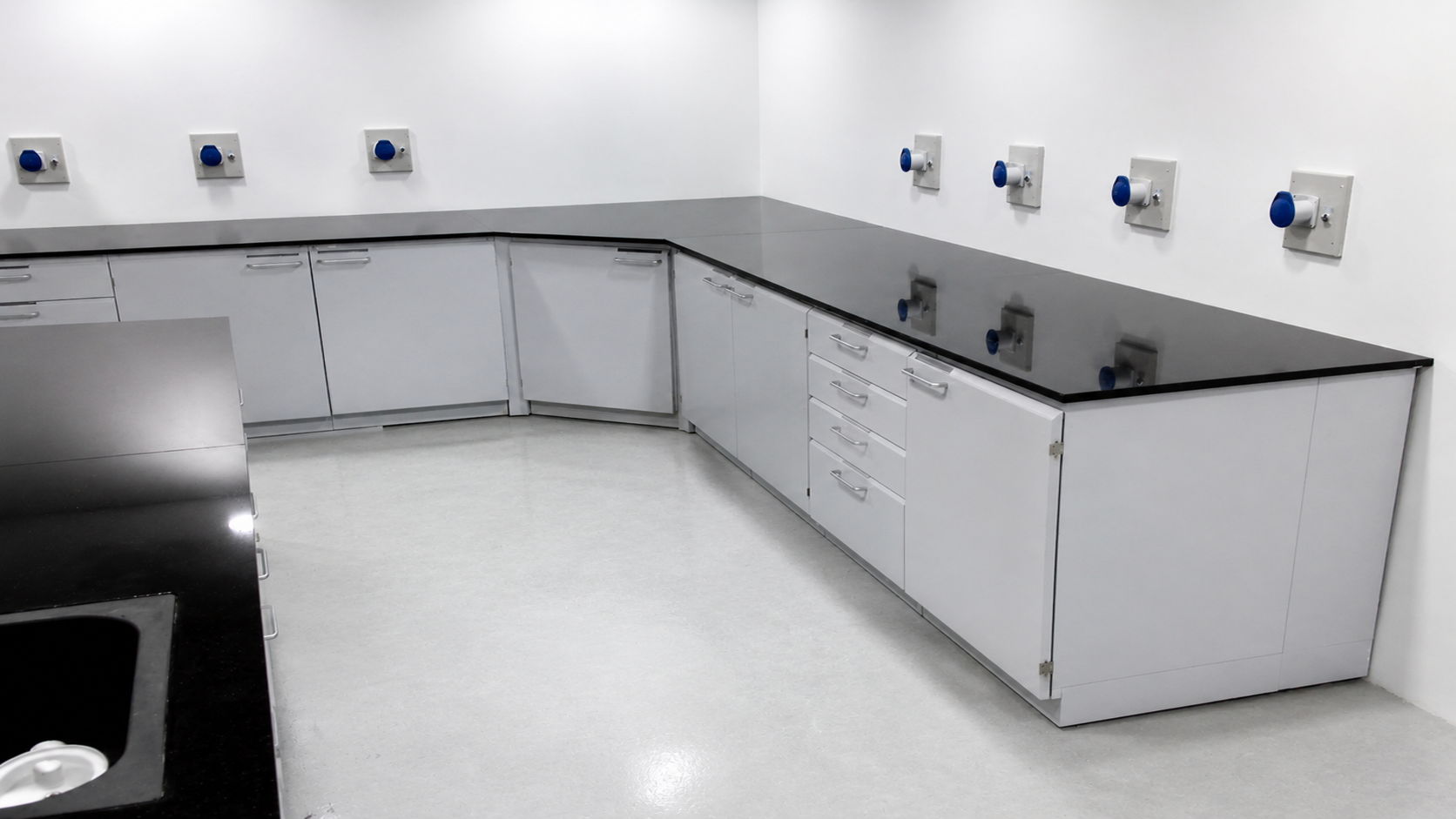
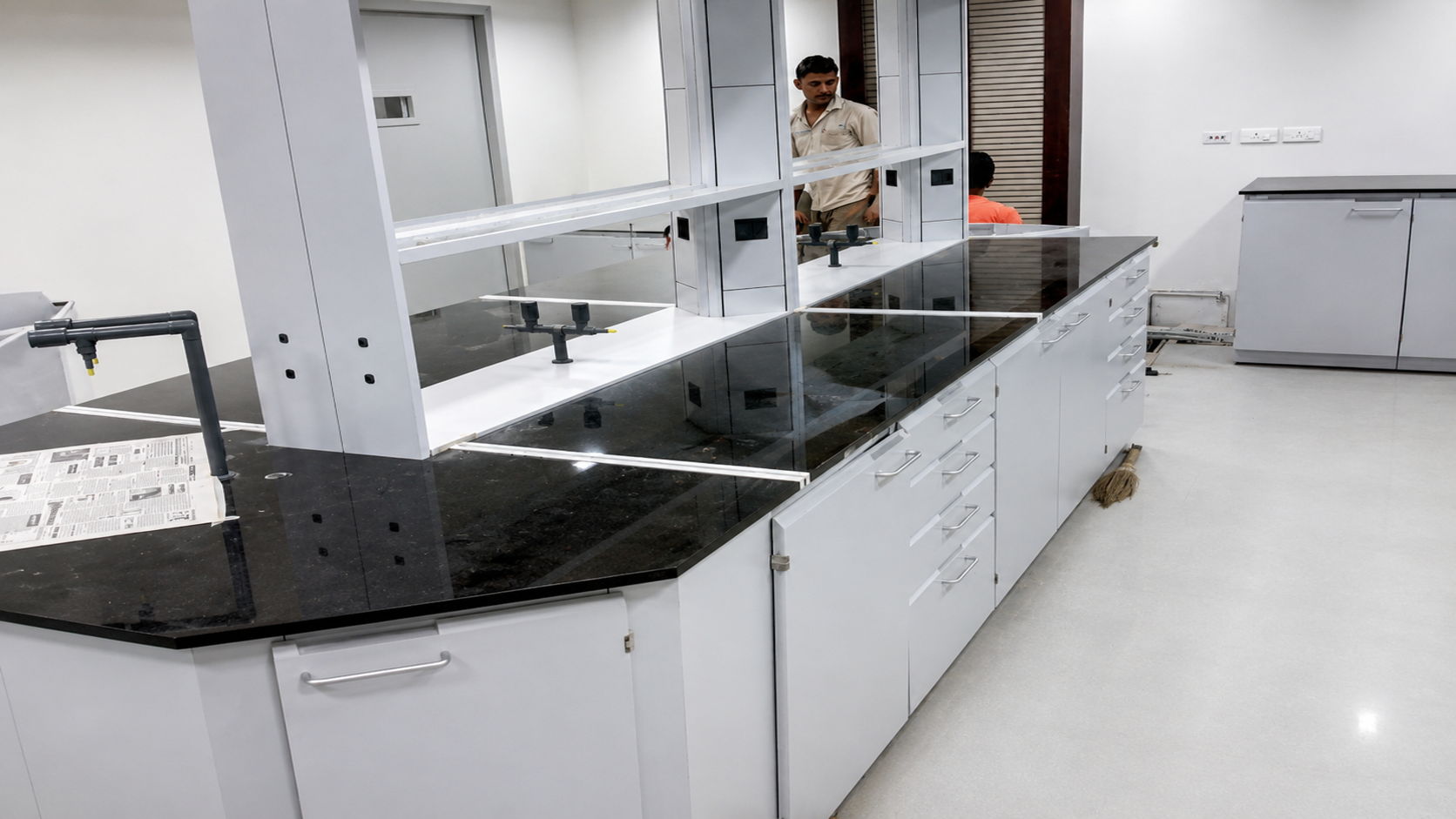
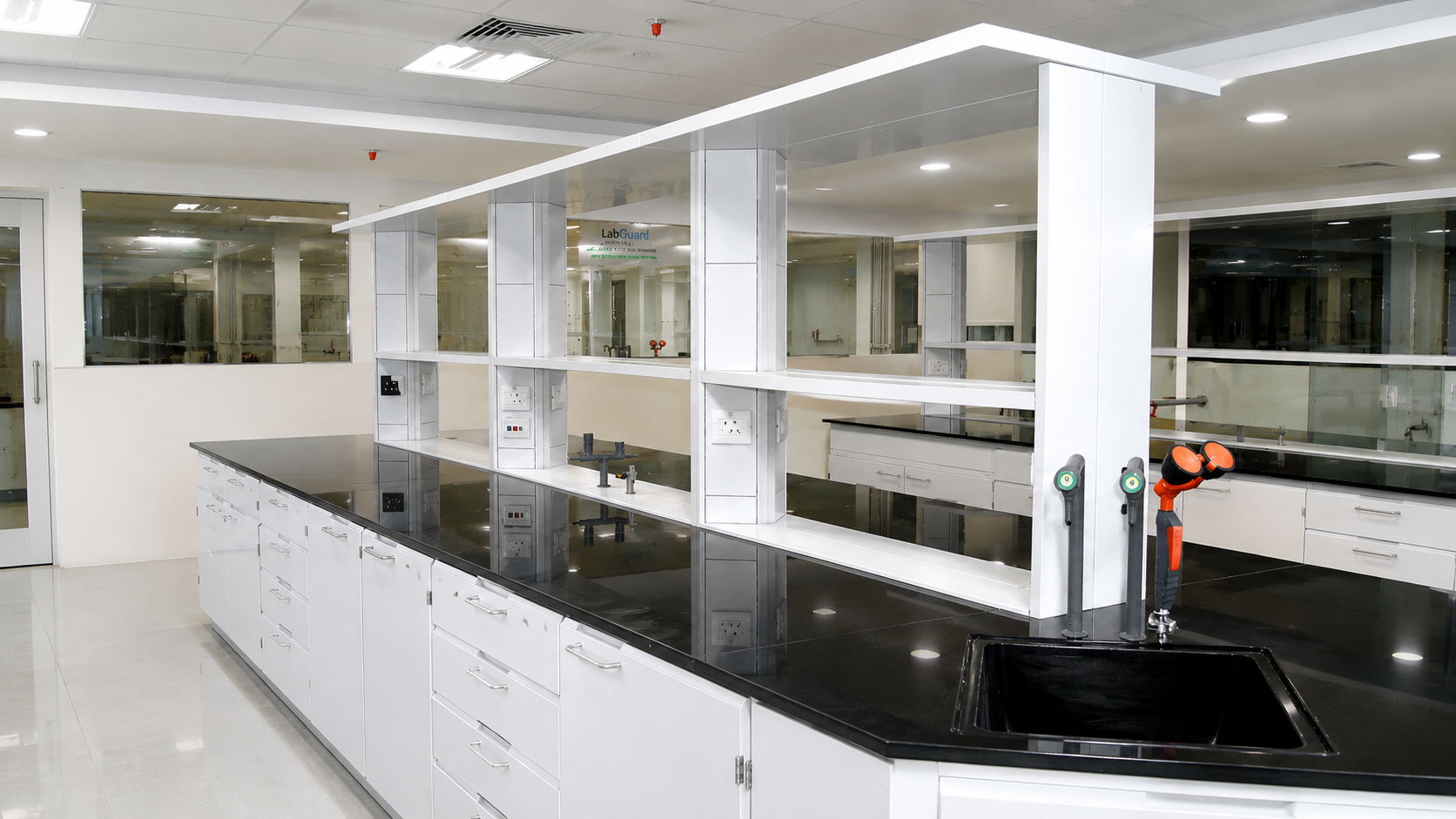
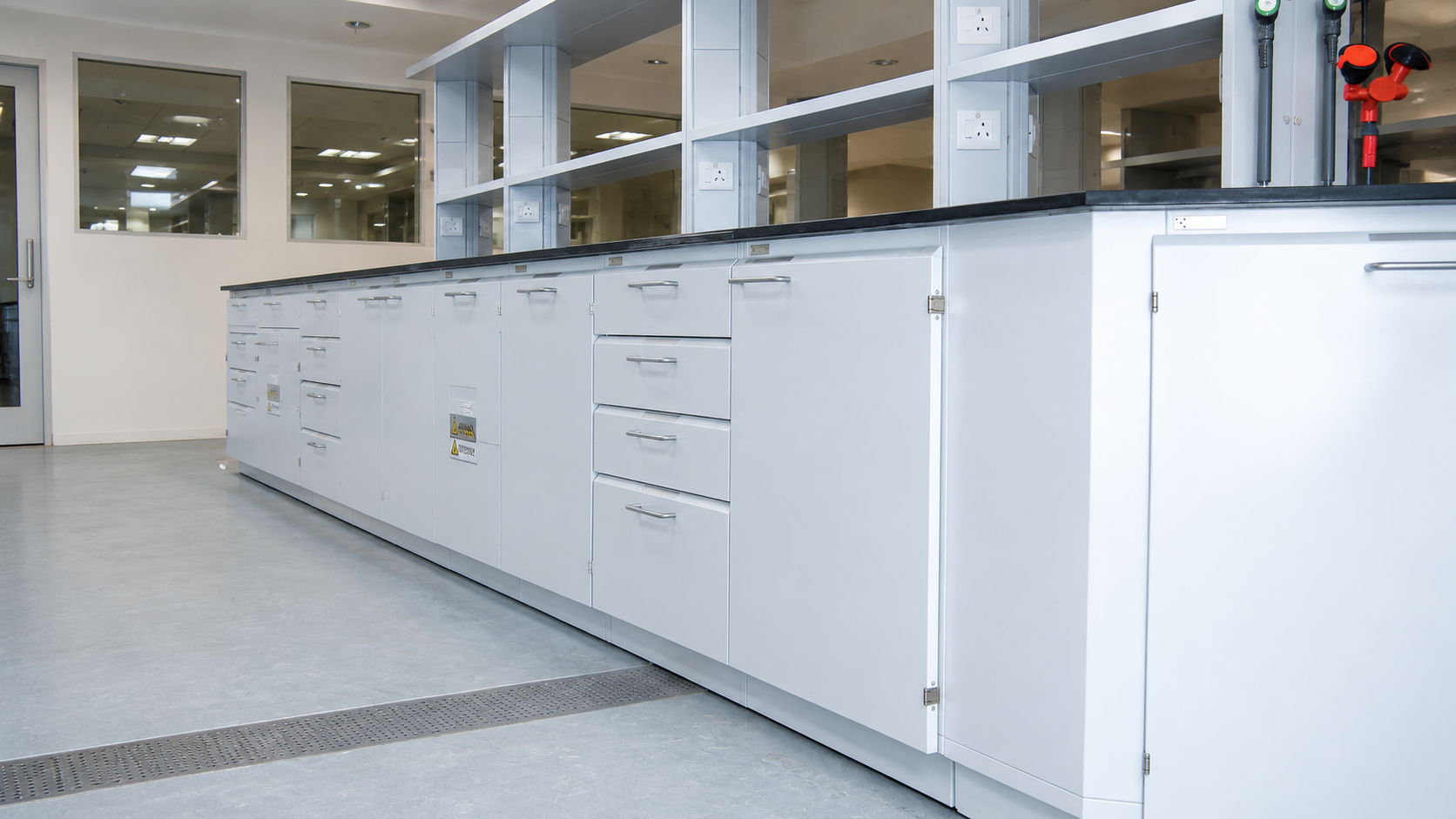
The completed laboratory emerged as a clean, organized, and highly functional industrial analytical environment capable of supporting lubricant testing operations with reliability and operational efficiency.
The project demonstrated how modular laboratory engineering concepts could be successfully adapted for industrial and energy-sector applications where durability and long-term operational performance become equally important as technical precision.
More importantly, the continued relationship and AMC engagement over the years reflected the trust and engineering reliability established through the successful delivery of the project.